
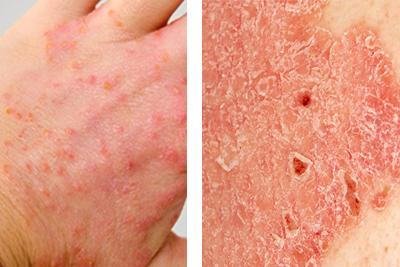
Chronic skin rashes can be frustrating, uncomfortable, and difficult to identify without professional guidance. Two of the most common conditions patients confuse are eczema and psoriasis. While both cause redness, irritation, and flare-ups, they develop for different reasons and require different treatment approaches. At Savannah Dermatology Clinic in Savannah, GA, patients receive expert evaluation to determine the cause of persistent rashes and create targeted care plans that bring lasting relief.
Understanding Eczema
Eczema, also known as atopic dermatitis, is primarily linked to a weakened skin barrier and an overactive immune response. This allows moisture to escape and irritants to penetrate the skin more easily. Eczema often begins in childhood but can affect adults as well. It commonly appears as dry, itchy patches that may ooze, crust, or thicken over time due to repeated scratching.
Eczema flare-ups are frequently triggered by allergens, stress, weather changes, harsh soaps, or fabrics. The intense itching associated with eczema is one of its defining features and can significantly disrupt sleep and daily comfort.
Understanding Psoriasis
Psoriasis is an autoimmune condition that causes skin cells to multiply much faster than normal. This rapid turnover leads to the buildup of thick, inflamed plaques on the skin’s surface. Psoriasis patches are typically well-defined, raised, and covered with silvery white scales. Unlike eczema, psoriasis is often less itchy but may feel sore or tight.
Psoriasis most commonly affects the elbows, knees, scalp, and lower back, though it can appear anywhere on the body. It may also be associated with joint pain, known as psoriatic arthritis, which requires medical attention beyond skin care.
Key Differences Between Eczema and Psoriasis
Although both conditions cause chronic rashes, there are important differences. Eczema tends to produce softer, inflamed patches with significant itching and may fluctuate frequently based on environmental triggers. Psoriasis usually causes thicker plaques with clear borders and scaling, and flare-ups are more closely tied to immune system activity.
Location can also provide clues. Eczema often affects skin folds such as the neck, wrists, and behind the knees, while psoriasis commonly appears on extensor surfaces like elbows and knees. Because these conditions can overlap in appearance, a professional diagnosis is essential.
Why Proper Diagnosis Matters
Accurate diagnosis ensures that treatment targets the underlying cause of the rash. Therapies that help eczema may not be effective for psoriasis, and vice versa. At Savannah Dermatology Clinic, providers evaluate skin appearance, symptom patterns, medical history, and potential triggers to distinguish between these conditions. In some cases, a skin biopsy may be recommended for clarity.
Professional Care for Chronic Skin Rashes in Savannah, GA
Living with an ongoing skin rash does not have to be your normal. Whether symptoms point to eczema, psoriasis, or another inflammatory skin condition, expert care can make a meaningful difference. Savannah Dermatology Clinic in Savannah, GA, provides personalized treatment plans designed to soothe irritation, reduce flare-ups, and support long-term skin health.
If you are dealing with a persistent rash or are unsure what condition is affecting your skin, call 912-352-8974 to schedule an evaluation and take the first step toward clearer, more comfortable skin.